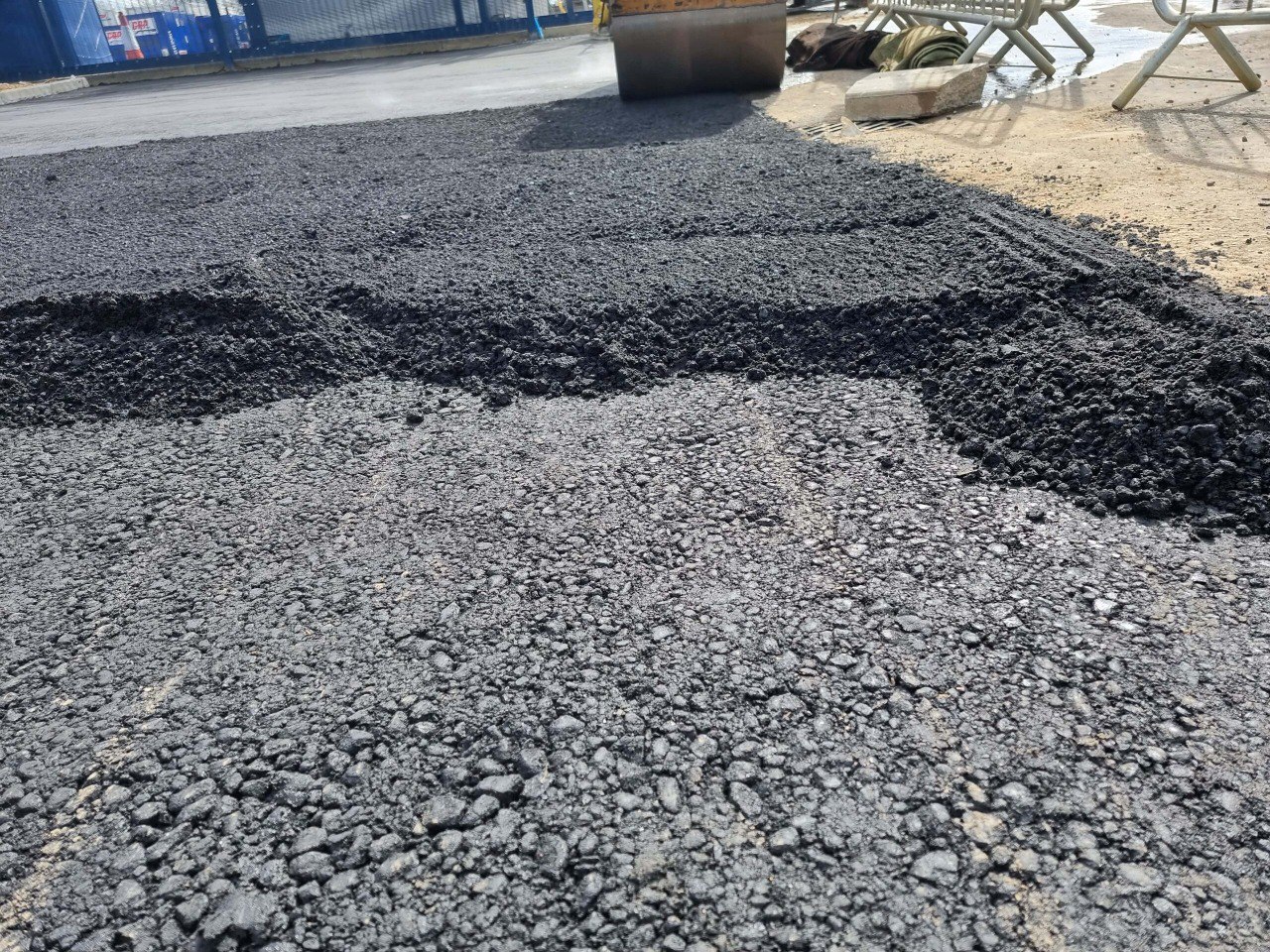
What Makes Tarmac Driveways So Popular With Homeowners?
Choosing a driveway surface is an important decision because the finished area needs to do much more than provide somewhere to park. A well-constructed driveway should cope with regular vehicle movements, provide convenient access to the property, complement its surroundings and remain practical through changing weather conditions. Tarmac continues to be a popular choice because it combines many of these qualities within a straightforward, durable surface.
For homeowners in Brandon, Suffolk, a professionally installed tarmac driveway can provide a clean and practical solution for both new driveway construction and the improvement of an existing outdoor area. Its popularity is not based on one advantage alone. Instead, it comes from the combination of durability, versatility, relatively simple maintenance and the ability to create a smooth, cohesive finish.
Why Tarmac Remains a Popular Choice for Residential Driveways
Tarmac has been widely used for vehicle surfaces because it performs particularly well when the underlying construction, drainage and finishing details are correctly planned.
A good tarmac driveway is not simply a layer of material placed over the ground. Its long-term performance depends heavily on preparation beneath the visible surface. Excavation, formation, supporting layers, compaction, levels and edging all contribute to the finished driveway.
When these elements are approached correctly, tarmac offers homeowners a surface that is well suited to regular everyday use.
Tarmac Creates a Smooth, Continuous Driving Surface
One of the most noticeable characteristics of tarmac is its continuous finish.
Unlike surfaces constructed from numerous individual paving units, tarmac creates a largely uninterrupted driving area. This can make vehicle movements feel smooth and straightforward, particularly where cars regularly enter, leave and manoeuvre on the driveway.
The continuous appearance can also help the driveway look organised and purposeful.
For homeowners who prefer a simple finish rather than a highly decorative surface, this can be one of tarmac’s strongest qualities.
It Is Well Suited to Regular Vehicle Use
A residential driveway needs to cope with repeated vehicle movements rather than simply look attractive.
Cars may travel over the same sections every day, turn their wheels in similar positions and remain parked for extended periods. The surface therefore needs suitable support beneath it and effective compaction during construction.
When properly installed, tarmac provides a durable surface designed around these practical demands.
This makes it particularly appropriate where homeowners want a driveway that prioritises everyday functionality.
Tarmac Works Well Across Different Driveway Sizes
Residential driveways vary considerably in shape and scale.
Some provide a relatively direct route from the property entrance to a parking area, while others contain wider sections for turning or multiple vehicles.
Tarmac can be installed across many different layouts because the finished surface is formed to suit the prepared area.
This flexibility allows the driveway to respond to the available space rather than forcing the garden or frontage into a particular paving pattern.
The Simple Appearance Complements Many Properties
Not every homeowner wants the driveway to become the dominant visual feature at the front of the property.
Tarmac provides a relatively understated appearance that can work particularly well where a clean and functional finish is preferred.
Its uniform surface can sit alongside lawns, planting, walls and other landscaping features without introducing excessive visual detail.
Carefully chosen edging can also help define the driveway and create a neat transition between the tarmac and surrounding areas.
Edging Can Give the Driveway Greater Definition
Although tarmac itself creates a relatively simple surface, the edges provide an opportunity to introduce additional definition.
Well-planned edging can help separate the driveway from lawns, planting areas and other surfaces while creating a clear finished boundary.
Edging is not purely decorative.
The perimeter of a driveway is an important part of the overall construction, and appropriate support can help protect vulnerable edges from deterioration.
The best results therefore combine appearance with practical performance.
Tarmac Can Be Shaped Around the Available Space
Not every driveway is perfectly rectangular.
Property boundaries, garden features and existing access arrangements can create irregular shapes. A driveway may also need to widen around parking areas or follow a particular route towards the property.
Tarmac can accommodate these variations effectively when the layout is properly planned.
This adaptability is useful where homeowners want to make efficient use of the available space without creating numerous awkward joins.
Correct Ground Preparation Supports Long-Term Performance
Much of what determines whether a tarmac driveway performs well cannot be seen once the work is finished.
The supporting construction beneath the surface plays a fundamental role.
If preparation is inadequate, the driveway can become more vulnerable to settlement, cracking and deformation. A high-quality upper surface cannot compensate indefinitely for instability underneath.
Professional driveway construction therefore places considerable emphasis on preparing the area correctly before the tarmac is installed.
Compaction Is an Essential Part of Tarmac Installation
Tarmac needs to be laid and compacted appropriately to create a stable finished surface.
Good compaction helps the material form a consistent driving area and contributes to its ability to withstand regular use.
This is another reason professional installation matters.
The final appearance may be the most visible aspect of a new driveway, but the quality of the construction process determines how effectively that appearance is supported over time.
Drainage Can Be Incorporated Into the Driveway Design
Rainwater management is an important consideration for any driveway.
The surface needs appropriate levels and falls so that water does not unnecessarily collect in low areas. Drainage should therefore be considered during the planning and preparation stages rather than after the driveway has already been installed.
A professionally designed tarmac driveway can be formed to direct water appropriately according to the site conditions.
Correct levels also help prevent puddles from becoming an everyday inconvenience.
Tarmac Can Make an Uneven Frontage More Practical
An older driveway or parking area may contain numerous worn sections, loose material or an inconsistent surface.
Where the existing area is suitable for improvement, professional driveway construction can create a much more defined and practical space.
A properly prepared tarmac surface can establish clearer levels and a consistent area for vehicle use.
The suitability of the existing ground should always be assessed first, as simply covering significant underlying defects is not the same as constructing a dependable driveway.
The Surface Is Relatively Straightforward to Maintain
Homeowners often want a driveway that does not require complicated routine maintenance.
Tarmac’s continuous finish makes general upkeep relatively straightforward. Keeping the surface clear of debris and observing it periodically for developing defects can help homeowners recognise when attention may be required.
Small changes such as cracking, edge deterioration or settlement are worth investigating before they become more extensive.
Maintenance should focus on preserving the condition of the driveway rather than repeatedly carrying out unnecessary treatments.
Localised Damage Does Not Always Mean Complete Replacement
Another useful characteristic of tarmac is that individual areas can sometimes be repaired when deterioration remains localised.
A small damaged section, isolated pothole or particular area of deterioration does not automatically mean the entire driveway has failed.
The surrounding surface and supporting construction need to be assessed to determine the appropriate response.
Where most of the driveway remains sound, targeted work may allow serviceable areas to stay in place.
Early Attention Can Help Prevent Deterioration From Spreading
Tarmac is durable, but no driveway surface is completely unaffected by age, weather and repeated use.
Small cracks or deteriorating edges can become more significant if they are allowed to progress. Water may enter vulnerable areas, while vehicle movements can place additional stress on already weakened sections.
Recognising developing problems early can help preserve more of the existing driveway.
This is particularly valuable because the condition of the surrounding surface often determines whether a repair can remain localised.
Tarmac Can Provide Clearer Access to the Property
A driveway is also an important access route.
A smooth, defined surface can create a clearer connection between the road entrance, parking area and property.
This can be particularly useful where an existing frontage consists of worn or inconsistent surfaces that make vehicle positioning less straightforward.
Thoughtful driveway design considers how cars will enter, turn and park rather than concentrating only on the appearance of the finished tarmac.
The Layout Can Be Designed Around Everyday Use
A successful driveway should reflect how the household actually uses the available space.
Consideration can be given to where vehicles normally park, whether turning space is required and how pedestrians move between the driveway and property.
These details influence the dimensions and shape of the finished area.
Professional planning can help avoid creating sections that look acceptable but prove inconvenient during everyday use.
Tarmac Can Work Alongside Other Landscaping Features
A tarmac driveway does not need to exist separately from the rest of the property frontage.
The layout can be planned around planting, lawns, paths and other existing features. Clear boundaries and appropriate transitions can help the driveway feel integrated into the wider outdoor space.
This is particularly useful where homeowners want improved vehicle access without turning the complete frontage into one large hard-surfaced area.
Good planning considers the balance between practical parking requirements and the surrounding garden.
Quality Installation Matters More Than Appearance Alone
Two newly installed tarmac driveways may initially look similar while having very different underlying construction.
Long-term performance depends on factors such as preparation, supporting layers, compaction, drainage and edge detailing.
This is why choosing a driveway based solely on the visible finish can overlook some of the most important elements.
A professional contractor should consider how the complete driveway is constructed from the ground upwards.
Professional Assessment Helps Determine Whether Tarmac Is Suitable
Although tarmac is highly versatile, every property frontage has different conditions.
The existing surface, available depth, levels, access, drainage and intended vehicle use should all be considered before work begins.
At Brandon Driveways, we assess driveway requirements in Brandon, Suffolk before recommending an appropriate approach. This allows the construction and layout to be planned around the particular property rather than applying the same solution to every site.
The objective is to create a driveway that is practical, well prepared and suited to regular use.
Conclusion
Tarmac driveways remain popular with homeowners because they combine a smooth appearance with durability, practical everyday performance and considerable flexibility in layout. They can accommodate different driveway shapes, provide a clear surface for regular vehicle movements and work effectively alongside other landscaping features.
Their performance, however, depends heavily on what happens before the finished surface is installed. Appropriate preparation, compaction, levels, drainage and edge support all contribute to creating a dependable driveway.
If you are considering a new or improved tarmac driveway in Brandon, Suffolk, contact Brandon Driveways. We can assess the available area and recommend an appropriate driveway solution based on the layout, ground conditions and how the space needs to function.
Call us on: 01842 773 655
Click here to find out more about Brandon Driveways
Click here to complete our contact form and see how we can help with your driveways.